
University of Arkansas
Art+Design District
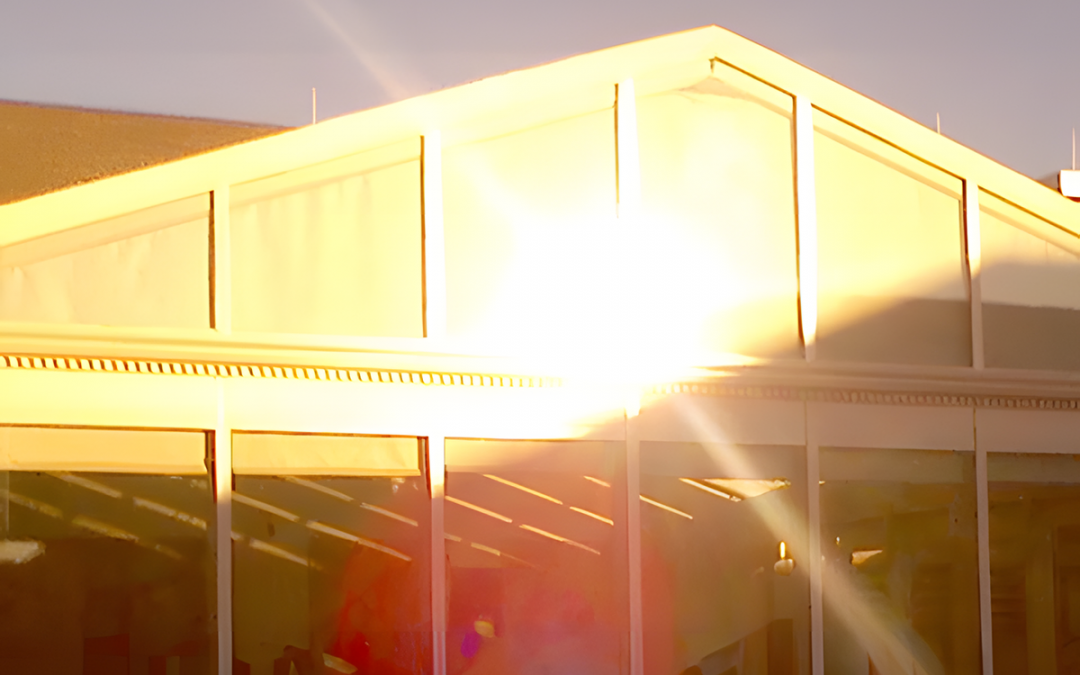
The diffused lighting transmitted by the panels reduces the need for artificial lighting during daytime hours
- Product: Translucent windows
- Contractor: Nabholz Construction
- Architect:Modus Studio Architects
- Get Specs
- CSI Code: 08 45 13
About this Project
The University of Arkansas’ new Art + Design District phase I building achieved LEED Silver certification through various sustainable design elements.
One key feature contributing to the daylighting and energy efficiency is the use of over 13 translucent polycarbonate panels, supplied by Crystal Structures. These 3′ x 18′ panels are installed in place of traditional glazing to allow abundant natural light into the artist’s studios and classrooms while avoiding harsh glares that can impede creative work.
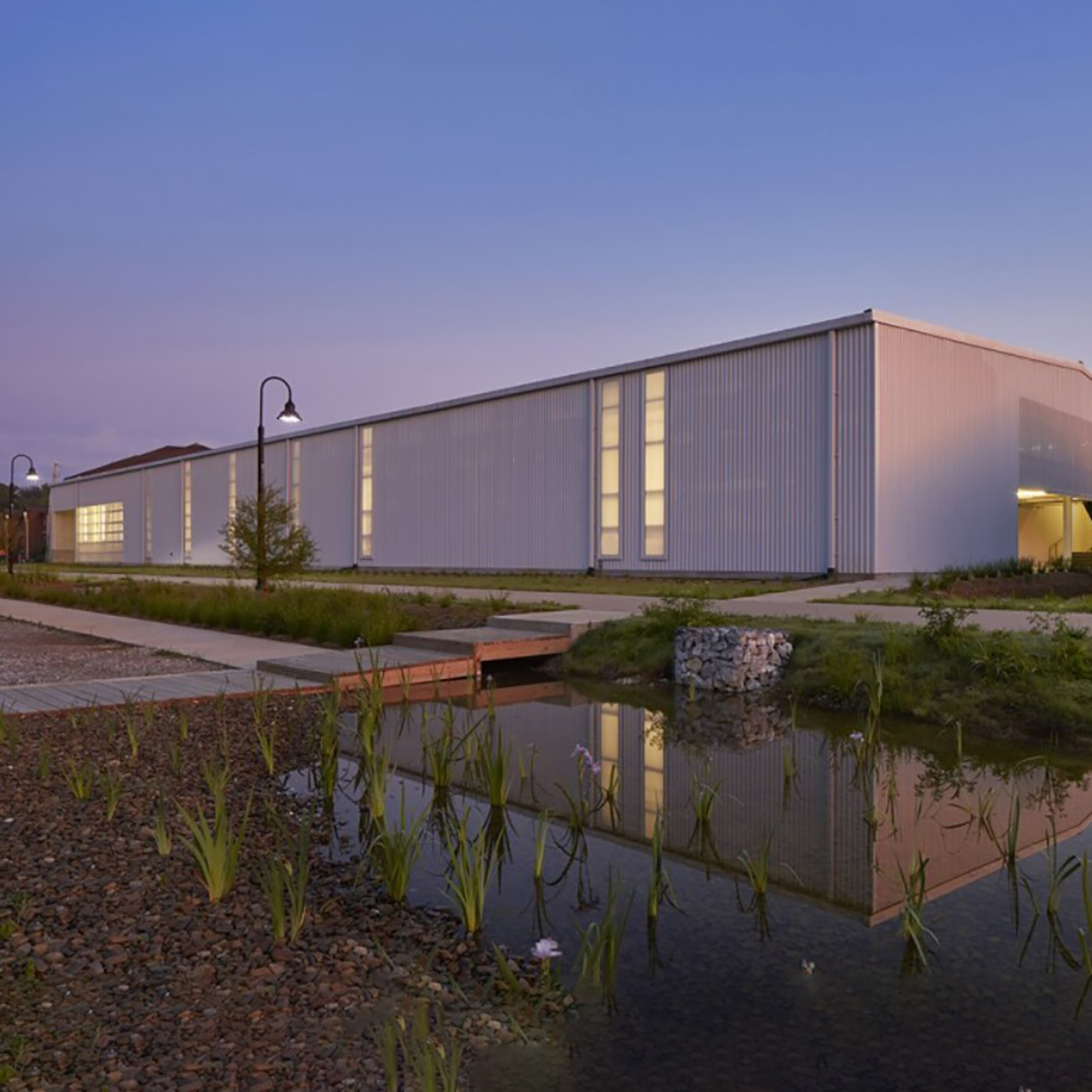
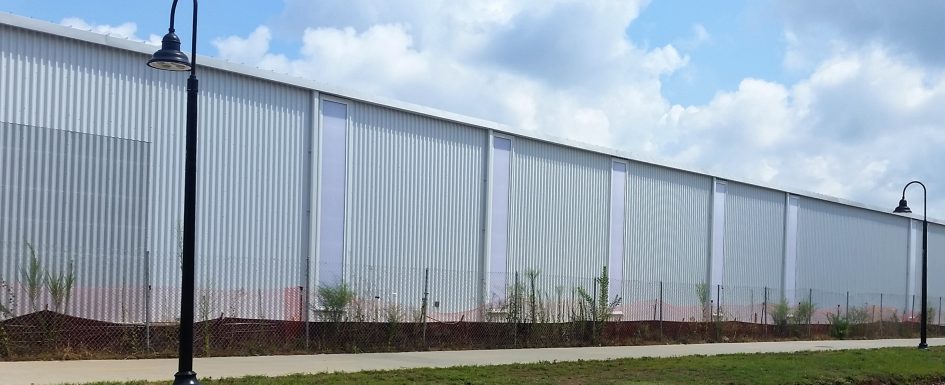
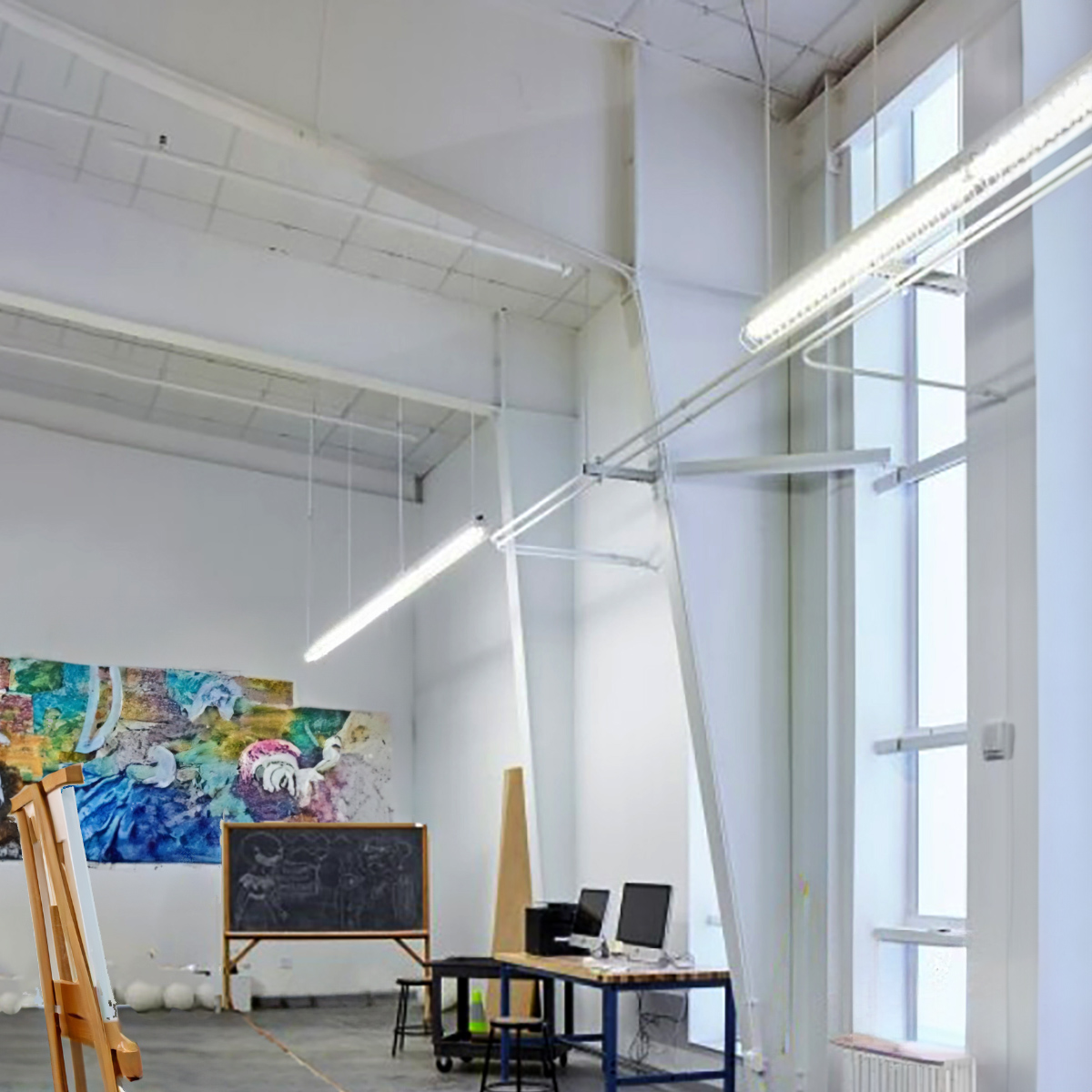
The diffused lighting transmitted by the panels reduces the need for artificial lighting during daytime hours, helping the building minimize electricity usage as part of its sustainable design.
Crystal Structures’ translucent panels play an integral role in the daylighting strategy and LEED certification, enabling the Art + Design District to embody the “Natural State” ethos of Arkansas in a modern academic setting. The conscious use of products like these panels reflects the University’s commitment to green building practices.
Company News
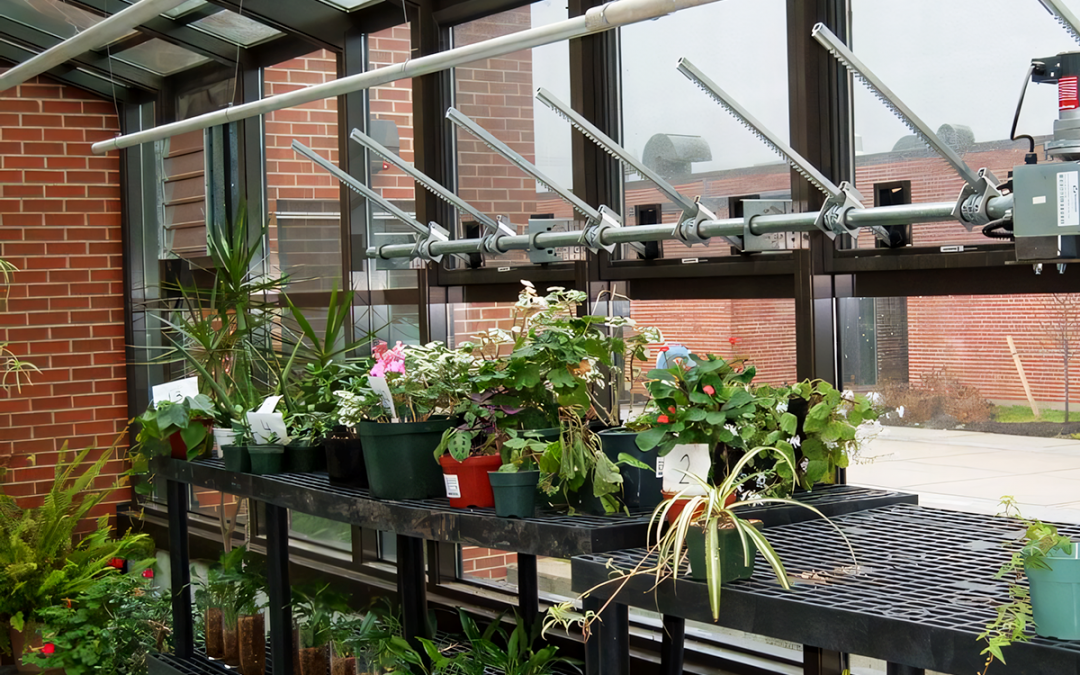
The Classroom Greenhouses: Core Curriculum Cultivated
The Classroom GreenhouseCore Curriculum CultivatedThere’s an adage in teaching that goes “show one, do one, teach one.” If you want to teach anyone a new skill you first show them how, then you let them do it themselves and finally you let them teach someone else....

Why full-spectrum light is the secret to better schools
Full-spectrum light is the secret to better schoolsChildren spend as much as 40 hours per week in school buildings People are inherently tuned to seek out daylight. It’s in our DNA that the sun is good for us, providing the activating source for vitamin D, and helping...
Good Daylighting Gone Bad
Good Daylighting Gone BadThe quality of light has nothing to do with the quantity of light available. It’s more about the perception of brightness.Too much of a good thing is, well too much! The same goes for sunlight. When it comes to using natural light in the...